中国特色社会主义研究 ›› 2026, Issue (2): 69-79.

• 中国式现代化理论与实践 • 上一篇    下一篇

减量时代中国人口发展的阶段性特征与现代化治理

原新, 于佳豪   

  • 收稿日期:2026-03-19 出版日期:2026-04-28 发布日期:2026-06-04
  • 作者简介:原新,南开大学经济学院教授|于佳豪,南开大学经济学院博士研究生
  • 基金资助:
    教育部哲学社会科学实验室专项项目“中国超低生育率趋势与人口安全问题模拟实验”(ZX20250151)

The Stage-specific Characteristics of China's Population Development and Modernization Governance in the Era of Population Reduction Considerations

Yuan Xin, Yu Jiahao   

  • Received:2026-03-19 Online:2026-04-28 Published:2026-06-04

摘要:

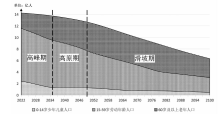
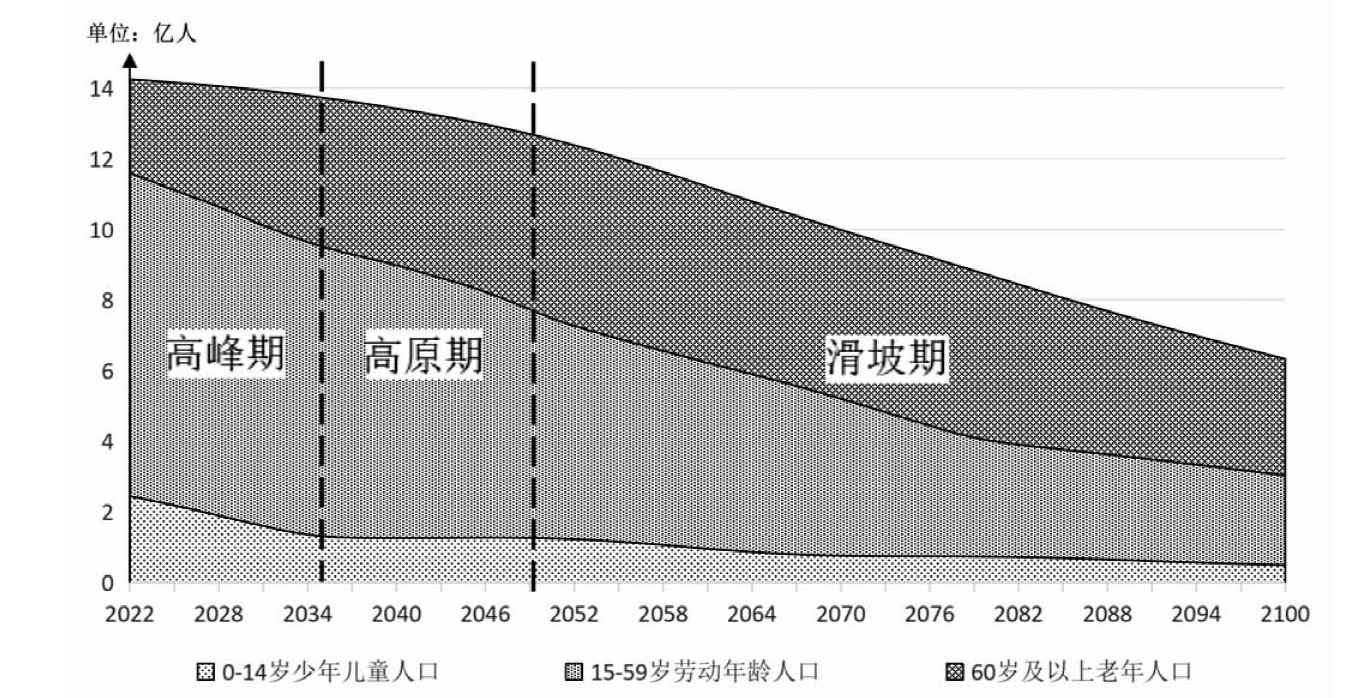
中国式现代化的首要特征是人口规模巨大,这一国情构成现代化建设的基础性战略依托。在长期少子化和快速长寿化作用下,我国人口转型的压缩特征显著,已迈入不可逆的人口负增长时代,人口要素变动正对经济社会发展与国家安全形成系统性挑战,给现代化建设提出复杂课题。本文立足我国人口发展演化趋势与特征,结合“两步走”现代化战略目标,将我国在减量时代下的人口发展划分为三个阶段:一是基本实现社会主义现代化前,人口总量保持历史最高峰并缓慢下降的人口高峰期(2022—2035);二是全面建成社会主义现代化强国前,人口总量下降速度加快,但规模仍然巨大的人口高原期(2036—2050);三是自实现国家全面现代化至21世纪末,人口总量快速下坠的人口滑坡期(2051—2100)。通过剖析我国独特的人口转变轨迹及其多维影响,构建“三阶适配—三维协同”的现代化治理体系,贯通“投资于人”与“投资于物”的政策逻辑,形成递进式全域治理路径,为人口高质量发展与现代化建设的协同推进提供理论支撑与实践指引。

关键词: 中国式现代化, 人口负增长, 人口老龄化, 人口红利, 人口高质量发展

Abstract:

The defining characteristic of Chinese path to modernization is its massive population scale, which constitutes the foundational strategic reliance for modernization development. Under the long-term effects of low birth rates and rapid aging, China's compressed demographic transition is pronounced, marking an irreversible demographic decline era. Population fluctuations now pose systematic challenges to socioeconomic development and national security, presenting complex issues for modernization efforts while testing the resilience and sustainability of modernization. Based on China's demographic evolution trends and the "two-step" modernization strategic goals, this paper categorizes China's population development under reduced growth conditions into three stages: (1) the population peak period (2022-2035) characterized by maintaining historical peak population levels while gradually declining before achieving basic socialist modernization; (2) the population plateau period (2036-2050) marked by accelerated decline but still massive scale before fully building a modern socialist power; and (3) the population decline period (2051-2100) featuring accelerated population reduction following comprehensive national modernization. By analyzing China's unique demographic transition trajectory and its multidimensional impacts, this study proposes a "three-stage adaptation-three-dimensional coordination" modernization governance system that integrates "investing in people" with "investing in material resources," establishing an incremental, comprehensive governance approach to provide theoretical support and practical guidance for coordinated advancement of high-quality population development and modernization construction.

Key words: Chinese path to modernization, negative population growth, population aging, demographic dividend, high-quality population development

中图分类号: